Please ensure Javascript is enabled for purposes of website accessibility

Timeline

Vista general
Cambiar a la vista de cuadrícula
Ver lista
Cambiar a la vista de lista
2002

When Miami

Became Global

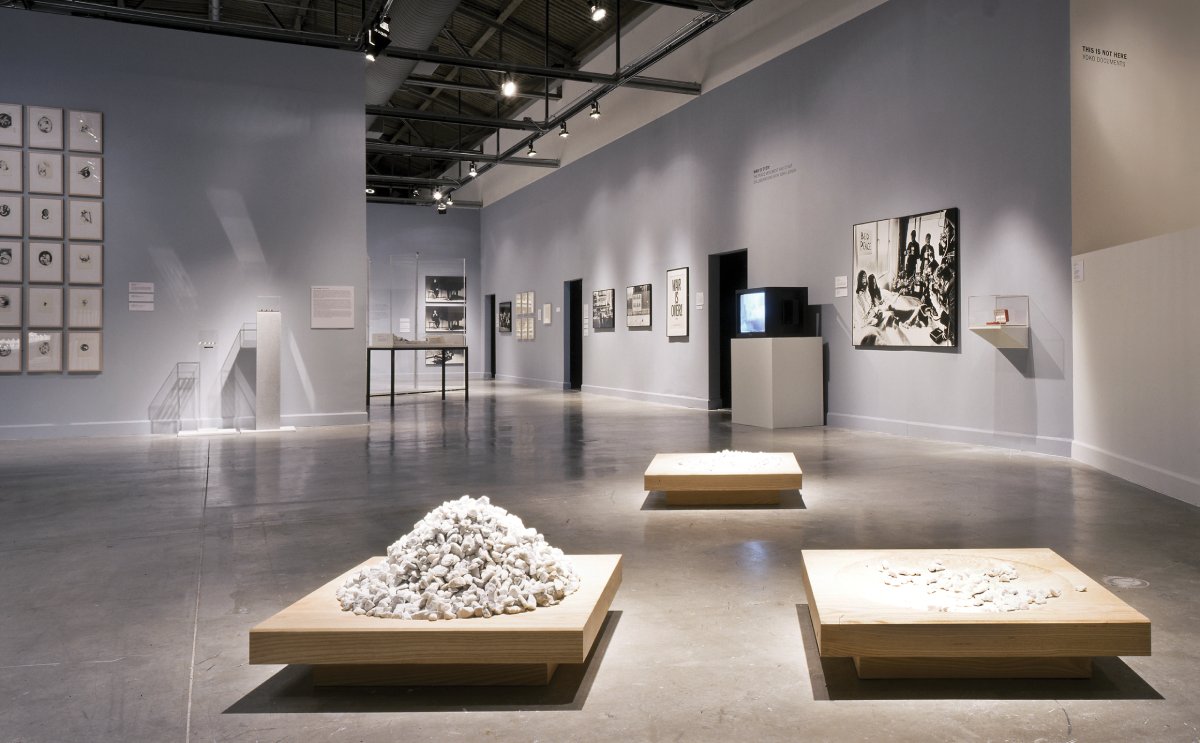
As Miami emerged onto the global art stage, the museum helped set the tone by hosting the inaugural MOCA/Art in America party during the first Art Basel Miami Beach, positioning it as a hub for international dialogue. That momentum continued with Yes: Yoko Ono, which drew over 1,200 guests on opening night and featured a performance and Q&A with the artist.
2004

Women on the

Rise!

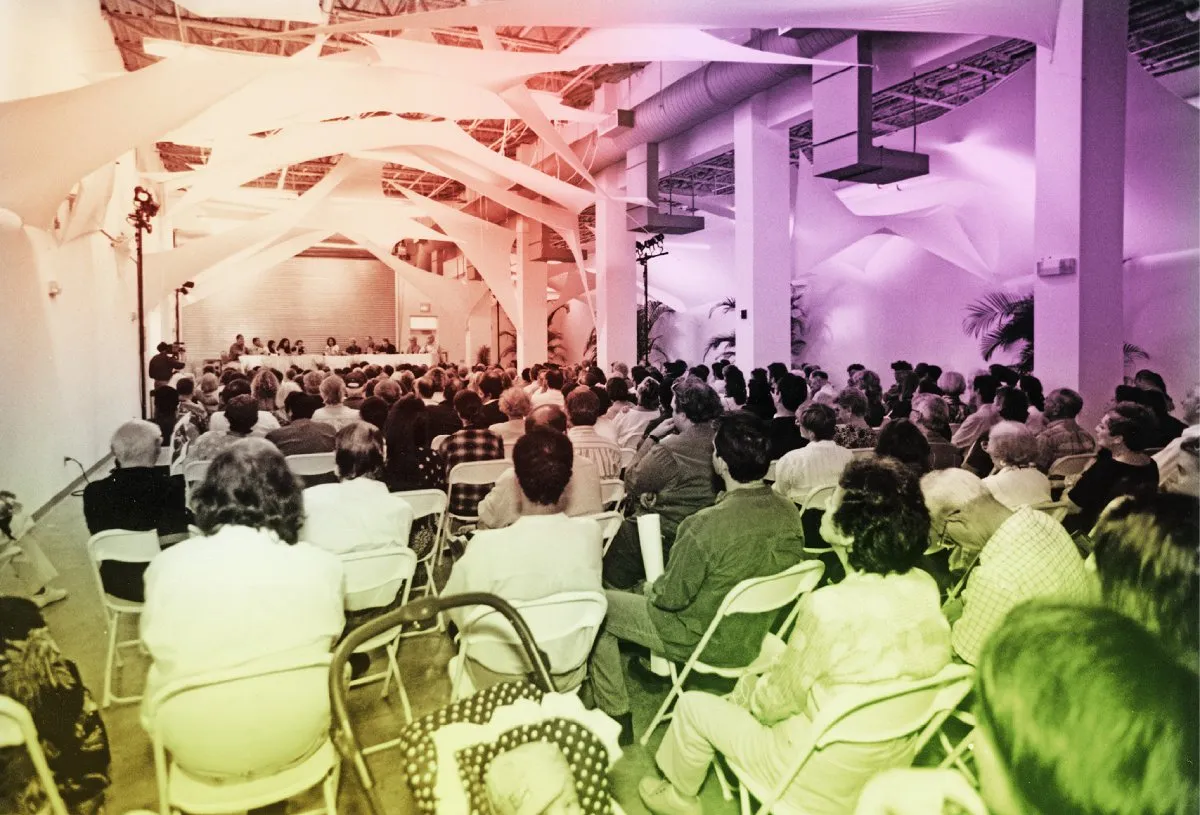
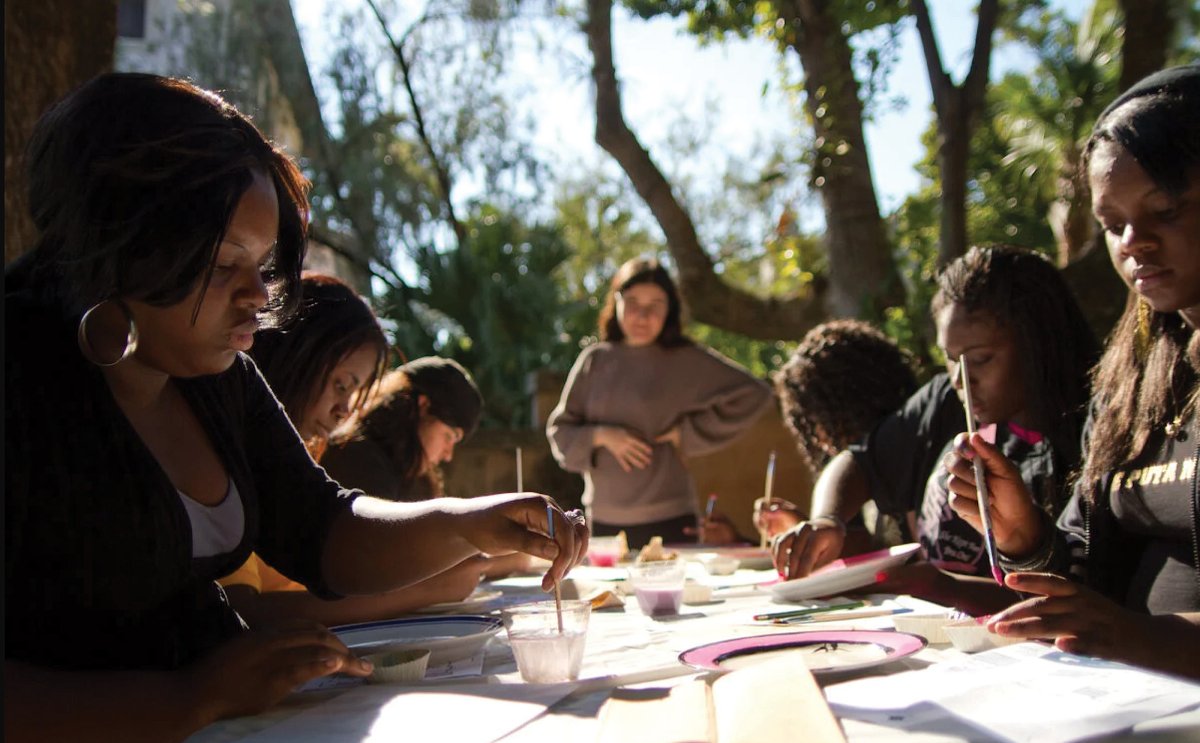
Women on the Rise! was a long-running feminist outreach program serving girls and young women across South Florida through artist-led workshops grounded in contemporary women’s art. Active for nearly a decade, the initiative expanded in 2012 with the Girls Summit, convening artists, educators, and scholars to advance femme-centered cultural praxis.

2005

MOCA & Miami:

Shaping a New Cultural Capital

The museum expanded its reach by opening a satellite gallery at the Goldman Warehouse in Wynwood, helping catalyze the neighborhood’s emergence as an arts district and presenting exhibitions by emerging artists, including FriendsWithYou’s first institutional show. That same year, MOCA & Miami, presented in the museum’s vflagship North Miami galleries, reflected on the parallel rise of the institution and the city’s growing artist community.

2007

Merce Cunningham:

Dancing on the Cutting Edge Part I

Merce Cunningham: Dancing on the Cutting Edge, a two-part exhibition, examined the legendary choreographer’s collaborations with visual artists. The first U.S. museum exhibition dedicated to Cunningham since 1997, it emphasized the interdisciplinary nature of his practice through original costumes, sets, and décor, tracing the fusion of visual art, performance, and choreography within his groundbreaking work.

2008

Dark Continents

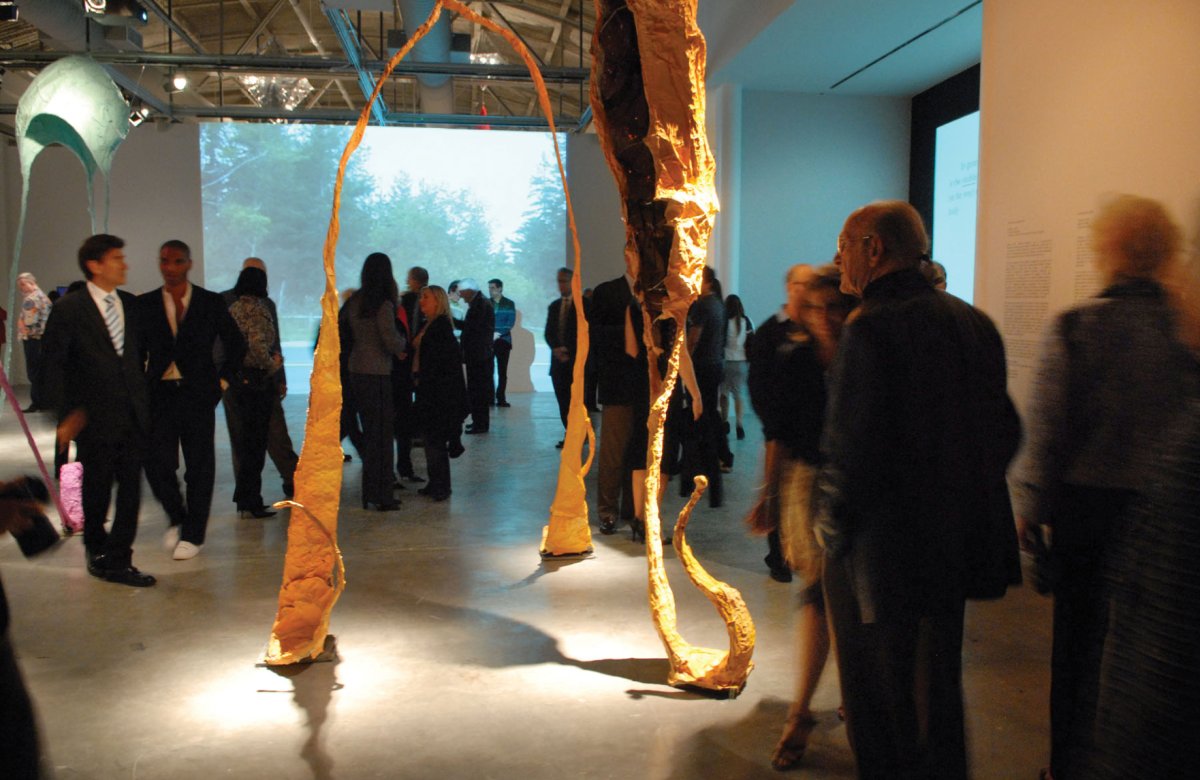
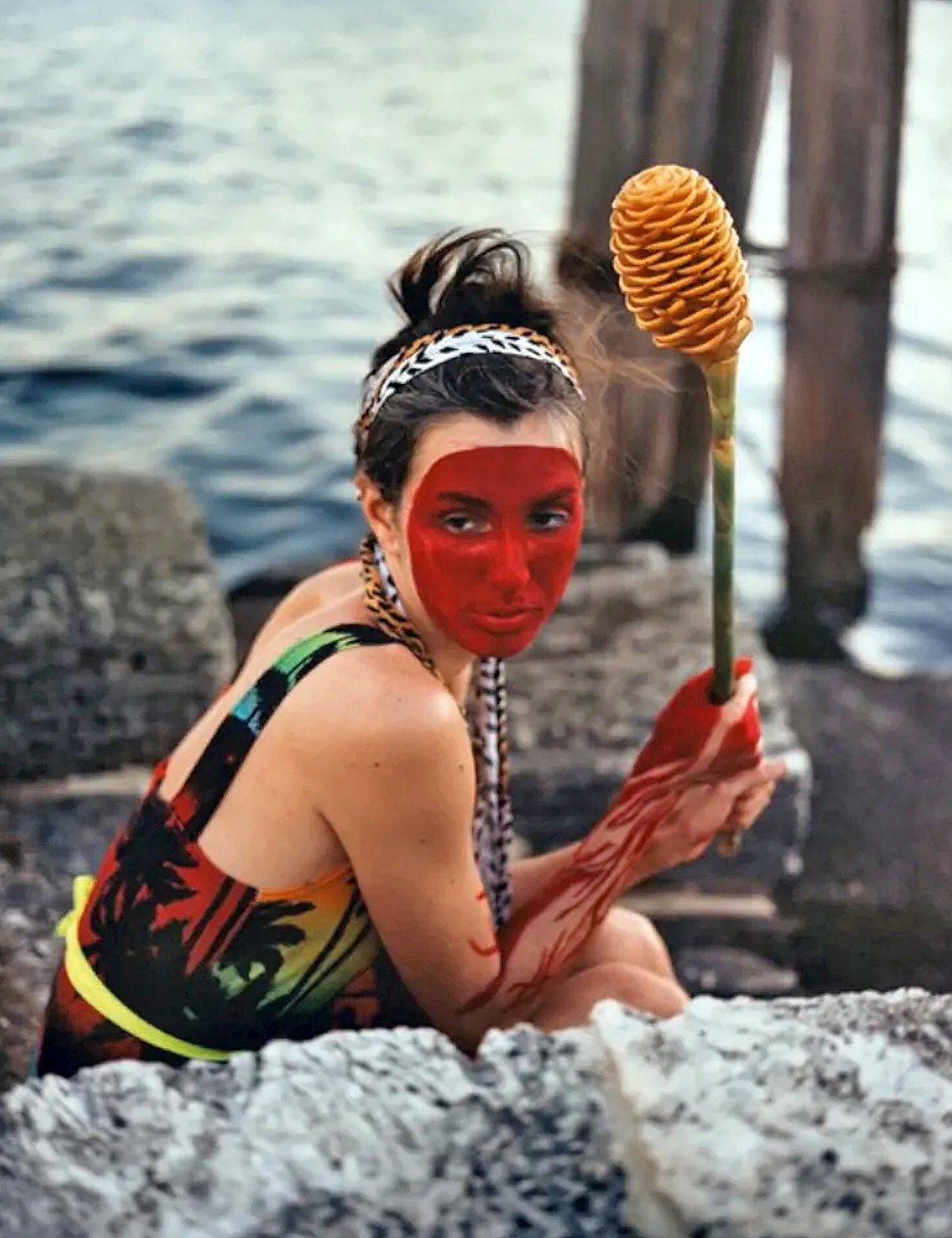
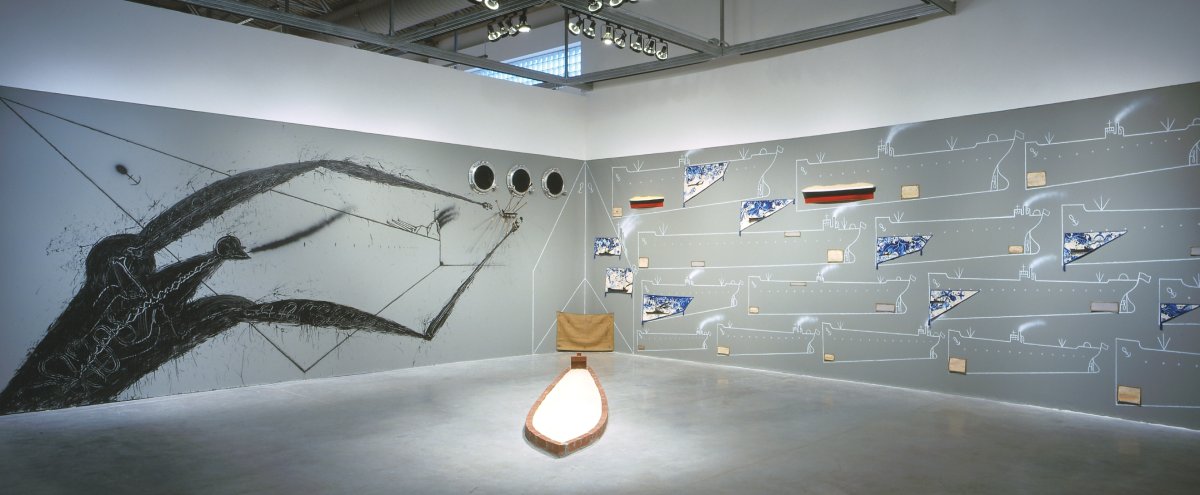
Curated by Ruba Katrib, Dark Continents examined modernism’s fascination with tropical locales and Indigenous cultures, tracing how colonialism, industrialization, and “primitivist” aesthetics shaped art history. Through site-specific installations, murals, and multimedia works, the exhibition challenged stereotypes of femininity and nature while linking historical tropes to contemporary practice.